
1st disclaimer: A few weeks ago, one of my patient was offered an annulopasty surgery for his repeated episode of low back pain over the last 6 months. He had different changes on his MRI. As I was not sure about annulopasty I spoke to the referral physician for indication about rehabilitation and what outcomes he wanted me to take. From the information I gather along with the patient history, notes, conversation with surgeon, Pubmed search I decided to create my first AI assisted blogpost in case I will see more of this patients in the future. Here it comes:
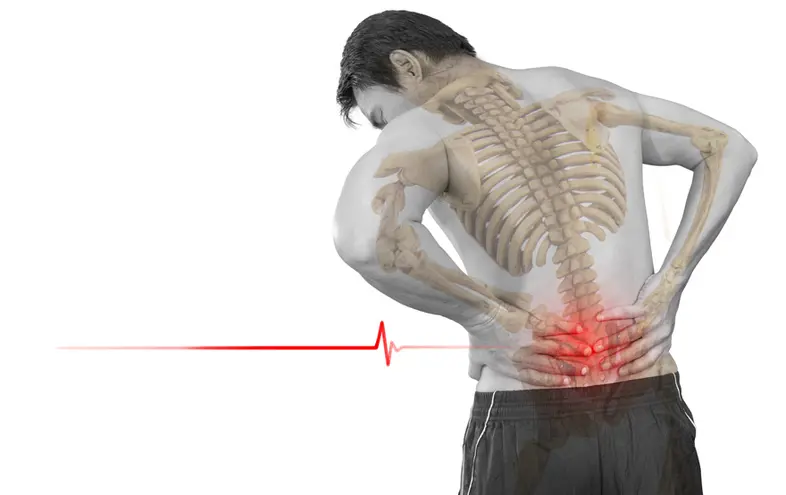
Annuloplasty: Improving Quality of Life with Minimally Invasive Spine Surgery
Back pain can significantly impact your daily life, limiting mobility and affecting your overall well-being. Annulloplasty offers a minimally invasive surgical option for addressing specific causes of back pain, potentially leading to significant improvements in quality of life.
What is Annuloplasty?
While your notes seem to be focused on a specific technique using radiofrequency waves, it’s important to clarify that “annuloplasty” is a broader term encompassing various surgical procedures aimed at repairing or reshaping the annulus fibrosus, a ring-like structure in the spine that surrounds the intervertebral disc.
There are different types of annuloplasty procedures, depending on the specific issue being addressed. However, they all share the goal of alleviating pain by:
- Reinforcing a weakened annulus: This can help prevent disc herniation, where the soft inner disc material bulges outward and compresses nerves.
- Reducing disc volume: This can relieve pressure on nerves and other structures in the spinal canal.
- Ablating (destroying) pain-causing nerves: This can provide pain relief in some cases.
Benefits of Annulloplasty:
Compared to traditional open spine surgery, annuloplasty offers several advantages:
- Minimally invasive: Smaller incisions and less tissue disruption lead to faster recovery times and less pain.
- Shorter hospital stay: Many annuloplasty procedures can be performed on an outpatient basis, allowing you to return home the same day.
- Faster recovery: You can often resume normal activities within a few weeks, depending on the specific procedure and your individual condition.
- Improved quality of life: By addressing the underlying cause of your pain, annuloplasty can significantly improve your ability to participate in daily activities and enjoy a better quality of life.
Measuring Treatment Success: Patient-Reported Outcomes
Beyond clinical assessments, your doctor may also use patient-reported outcome measures (PROMs) to gauge the effectiveness of treatment from your perspective. These questionnaires capture your experience with pain, function, and overall well-being. Some commonly used PROMs for back pain include:
- Interventional Pain Form (IPF): This tool assesses pain intensity, physical function, and emotional well-being.
- The Oswestry Disability Index (ODI): This questionnaire focuses on how back pain affects your daily activities.
- Euro-QoL 5 Dimension (EQ-5D-5L): This measure evaluates your health across five dimensions: mobility, self-care, usual activities, pain/discomfort, and anxiety/depression.
Assessing Back Pain: Proprioception, Muscle Power, and Coordination
In addition to PROMs, healthcare professionals may utilize various tests to evaluate specific aspects of your back function:
- Proprioception: This refers to your body’s awareness of its position in space. Clinicians may use tests like the Romberg test, where you stand with your eyes closed, to assess proprioception in your back.
- Muscular Power: Devices like dynamometers can measure the strength of your back muscles.
- Coordination: Functional tests that involve reaching, bending, or balancing can evaluate your ability to coordinate movements using your back muscles.
What to Expect After Annulloplasty
Your specific post-operative experience will depend on the type of annuloplasty you undergo. However, in general, you can expect:
- Discharge: You may be discharged on the same day or stay overnight depending on the procedure.
- Restrictions: You may need to wear a brace for support and avoid certain activities, such as bending and twisting, for a short period.
- Rehabilitation: Physical therapy is often recommended to help you regain strength and flexibility and ensure proper healing.
- Return to normal activities: Most people can return to work and other activities within a few weeks, with a gradual increase in activity levels.
It is important to note that the information provided in this blog post is intended for informational purposes only and should not be construed as medical advice. Please consult with a qualified healthcare professional for diagnosis and treatment of any medical condition.
2nd disclaimer: This blog post is intended for informational purposes only and should not be construed as medical advice. Please consult with a qualified healthcare professional for diagnosis and treatment of any medical condition.

